
Blogs
Learning Management System Examples for Schools
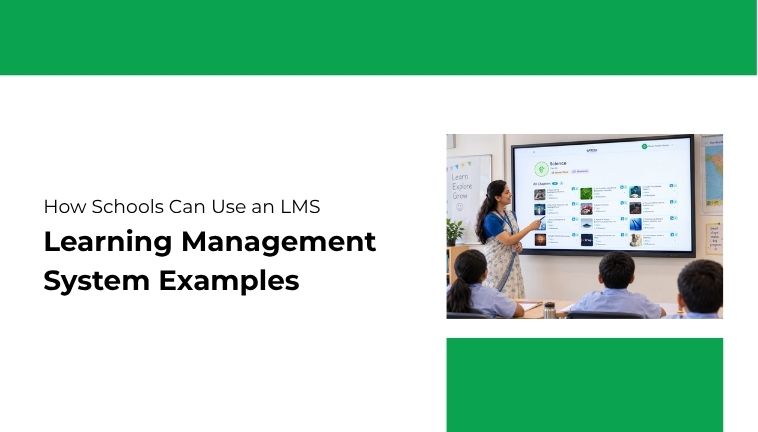
Learning Management System Examples: How Schools Can Use an LMS
Schools are using technology to make learning more accessible, organised, and engaging. From sharing digital lessons to conducting assessments and tracking student progress, technology can support many parts of the learning process.
A Learning Management System (LMS) brings these activities together on a digital platform. It allows teachers to organise learning resources, assign activities, assess students, and monitor their progress. Schools can explore different Learning Management System solutions to understand how these features can support their teaching and learning needs.
However, learning management systems can serve different purposes. Some focus on online courses, while others support classroom teaching, self-learning, assessments, and personalised learning.
Understanding different learning management system examples can help schools identify the features they need and choose a platform that supports their teaching goals.
What Is a Learning Management System?
A Learning Management System is a digital platform used to organise, deliver, and track learning activities. It provides a central place where teachers and students can access learning materials, assignments, assessments, and other educational resources.
Schools can use an LMS to support classroom teaching, online learning, or a combination of both.
For example, a teacher can share a lesson, assign practice questions, conduct a quiz, and review student performance through the same platform.
An LMS can also help schools organise learning resources across different grades and subjects. This makes it easier for teachers to manage learning activities and for students to access resources when they need them.
Explore Different Learning Management System Examples
Learning management systems can support different teaching and learning requirements. Here are some common examples of how schools can use an LMS.
1. Digital Classroom Management
Teachers can use an LMS to organise lessons, share digital resources, and support classroom activities.
For example, a teacher can use a video to introduce a science concept, share a worksheet for practice, and provide additional resources for revision.
2. Online Courses and Self-Learning
An LMS can provide students with access to recorded lessons, reading materials, videos, and practice exercises.
Students can revisit lessons and complete activities outside school hours. This can be useful for revision, additional practice, and learning at their own pace.
3. Online Assessments and Assignments
Schools can use an LMS to conduct quizzes, share homework, and organise online tests.
Teachers can review student responses and assessment results to understand how well students have understood a topic.
4. Student Progress Tracking
An LMS can help teachers monitor assignment completion, assessment performance, and learning activity.
These insights can help identify students who may need additional support and topics that require further explanation or practice.
5. Personalised Learning
Some learning platforms include adaptive features that recommend resources or activities based on student performance.
For example, a student who struggles with fractions may receive additional practice, while another student who has mastered the topic may move to more advanced questions.
These features can help teachers address different learning needs more effectively.
How Teachers Can Use an LMS in Everyday Teaching
An LMS can support teachers at different stages of a lesson, from preparation to assessment.
Before a lesson, teachers can share reading materials, videos, or questions to introduce a topic. During classroom teaching, they can use digital resources and interactive activities to explain concepts.
After the lesson, teachers can assign practice exercises, conduct assessments, and review student responses.
For example, after teaching a mathematics chapter, a teacher can assign a short quiz through the LMS. The results can help identify common mistakes and guide the next lesson.
This approach connects classroom teaching with practice and assessment. It also gives teachers more information to plan their lessons and support students.
Look for Curriculum-Aligned Learning Content
An LMS becomes more useful when its learning resources connect with the curriculum followed by the school.
Schools should check whether the platform provides content suited to their grades, subjects, and learning objectives. This may include digital lessons, videos, worksheets, simulations, practice exercises, and assessments.
Curriculum alignment helps teachers integrate digital resources into their lesson plans instead of treating them as separate activities.
Schools should also consider whether teachers can organise content by topic, assign suitable resources, and use them to reinforce classroom learning.
The aim should be to make digital learning a meaningful part of the teaching process. Solutions such as GENEO by Schoolnet can also be explored for curriculum-aligned learning resources, assessments, and personalised practice.
Consider Assessments and Learning Analytics
Assessments help teachers understand whether students have understood what they have been taught.
An LMS may include quizzes, assignments, tests, automated evaluation, and reports that show student performance.
Learning analytics can provide additional insights by helping teachers identify patterns in assessment results, participation, and activity completion.
For example, if many students perform poorly on the same topic, the teacher may need to revisit the concept or provide additional practice.
Schools should evaluate whether an LMS offers useful information that supports teaching decisions, rather than focusing only on the number of reports it generates.
Understand the Role of an LMS in Blended Learning
Blended learning combines classroom teaching with digital learning activities.
An LMS can support this approach by providing a central place for teachers to share resources, assign work, and continue learning beyond classroom hours.
For example, students can learn a concept with their teacher in class, practise through digital activities at home, and complete an assessment online.
This creates a connection between classroom instruction and independent learning.
Schools exploring this approach can also consider Schoolnet's Smart Classroom solutions, which bring together classroom technology, digital content, and teacher training.
The effectiveness of blended learning depends on how well digital activities support classroom instruction and how confidently teachers use them.
Check Ease of Use and Teacher Support
An LMS should be easy for teachers and students to understand and use.
Teachers should be able to find resources, share assignments, conduct assessments, and review student progress without spending too much time managing the platform.
Schools should also consider the training and support provided during implementation.
Teacher training can help educators understand how to use LMS features as part of their teaching practices. Ongoing support can help address technical difficulties and build confidence over time.
A platform with useful features may still have limited value if teachers find it difficult to use or do not receive adequate support.
Consider Access, Flexibility, and Scalability
Schools may have different technology requirements depending on their size, infrastructure, and student population.
Some may need an LMS for a few classrooms, while others may require a platform that supports multiple grades, subjects, and campuses.
Before selecting a platform, schools should consider the number of users it can support, the devices students and teachers use, internet availability, content access, and the ability to expand over time.
Schools with limited or unreliable connectivity should also check whether the platform supports offline or low-bandwidth learning, if required.
Scalability is important because an LMS should continue to meet the school's needs as its use expands.
Choose an LMS That Supports Learning Goals
The right learning management system depends on what a school wants to achieve.
Schools focused on online learning may prioritize course delivery and self-learning tools. Those looking to improve classroom teaching may need curriculum-aligned content and interactive resources. Schools focused on student performance may place greater importance on assessments and progress tracking.
Before making a decision, schools should consider their curriculum, teacher requirements, student access, assessment needs, technical infrastructure, and long-term plans.
The best choice is not necessarily the platform with the most features. It is the one that supports the school's learning goals and fits its teaching environment.
Conclusion
Learning management system examples show how an LMS can support more than online courses. It can help schools organise digital classrooms, provide self-learning resources, conduct assessments, track student progress, and support personalised learning.
However, the value of an LMS depends on more than its features. Curriculum-aligned content, ease of use, teacher training, and access to technology all influence how effectively it can be used.
Schools should begin by identifying their learning needs and then evaluate platforms based on how well they support teachers and students.
Explore Schoolnet's Learning Management System, Smart Classroom solutions, and GENEO to learn more about technology-enabled learning environments.
Frequently Asked Questions
What are some examples of a learning management system?
Common LMS examples include platforms used for digital classroom management, online courses, self-learning, online assessments, student progress tracking, and personalised learning. The features available depend on the platform.
How can schools use a learning management system?
Schools can use an LMS to share learning materials, organise assignments, conduct assessments, track student progress, and support learning beyond classroom hours.
What is the difference between an LMS and digital learning content?
Digital learning content includes resources such as videos, lessons, worksheets, and simulations. An LMS is a platform that can organise, deliver, and track access to these resources and other learning activities.
Can a learning management system support blended learning?
Yes. An LMS can connect classroom teaching with digital lessons, online assignments, practice activities, and assessments, supporting learning both inside and outside the classroom.
What should schools consider when choosing an LMS?
Schools should consider ease of use, curriculum alignment, assessment tools, progress reports, teacher training, student access, technical support, and scalability.
Does an LMS help teachers track student progress?
Many LMS platforms include assessment results, assignment records, and learning reports that help teachers understand student performance and identify areas where additional support may be needed.


