Blogs
ICT Computer Lab in School: More Than Just Computers
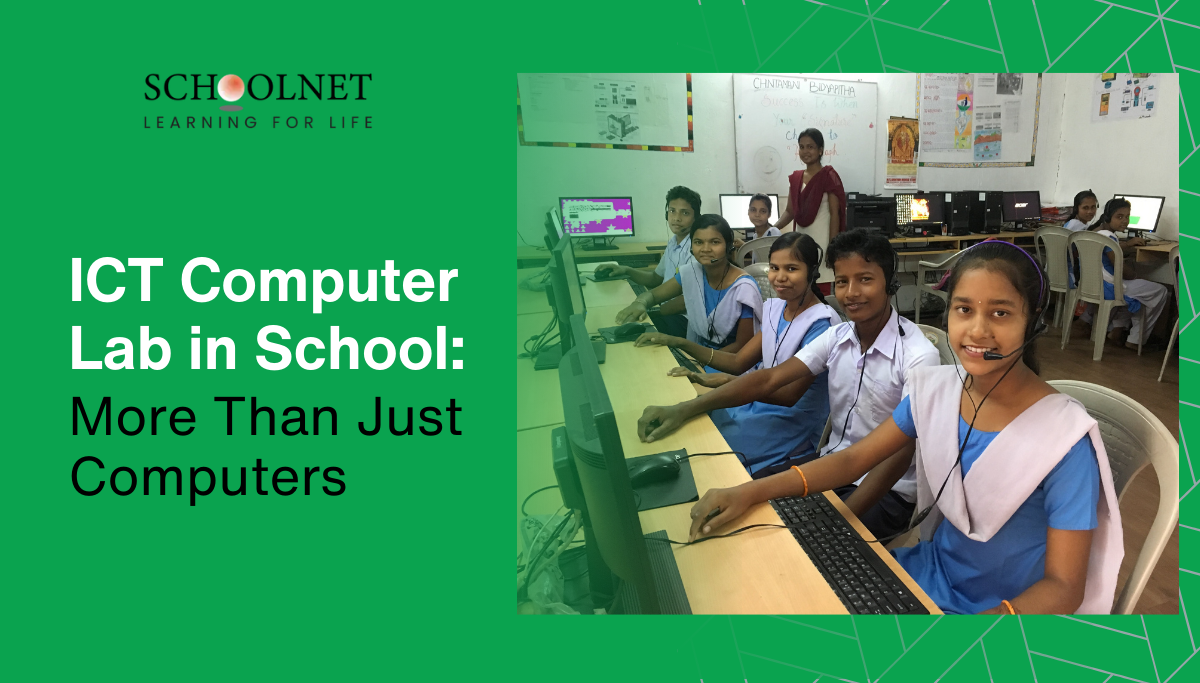
An ICT computer lab in school is often seen as a room filled with machines. However, its real value lies in how students use those machines to think, explore, and solve problems. When planned well, a computer lab becomes one of the most effective learning spaces in a school, supporting skills that go far beyond basic computer use.
Many schools already have ICT labs, but in practice, these spaces are used only occasionally and often follow repetitive routines. Students complete assigned tasks, but meaningful learning does not always happen. This is where schools need to rethink the role of the ICT computer lab in schools.
The Purpose of an ICT Computer Lab in School
The primary purpose of an ICT computer lab in school is not to teach software alone. It is to help students build confidence with technology and apply digital tools to real learning situations.
Unlike personal devices, a school lab offers a guided and focused environment. Students learn how to use technology in a structured way, under the guidance of teachers. Over time, this helps them become independent learners who are comfortable using digital tools.
How Learning Changes Inside an ICT Computer Lab in School

In a traditional classroom, learning is often teacher-led. Students listen, take notes, and respond.
In an ICT computer lab at school, learning becomes an active experience. Students try different approaches, test ideas, and correct their own mistakes. This process encourages curiosity and builds problem-solving skills.
As students work at their own pace, even those who hesitate to speak in class become more engaged. The lab creates space for exploration and participation.
Using the ICT Computer Lab in School Across Subjects
An ICT lab in a school should support all subjects, rather than functioning as a stand-alone activity.
For example:
- Science students can run simulations and record observations
- Mathematics students can analyse data and create visual charts
- Social science students can research topics and present findings
- Language students can write, revise, and present digital content
When ICT sessions connect directly to classroom lessons, students understand the purpose of learning and stay more involved.
What Makes an ICT Computer Lab in School Effective
An effective ICT lab in school does not depend on advanced technology. It depends on thoughtful use.
Important factors include:
- Clear learning goals for each session
- Simple and age-appropriate tools
- Activities linked to curriculum topics
- Teachers who guide and support students
Most importantly, students should create something meaningful during each session. This could be a document, presentation, project, or simple digital solution.
Common Challenges and Simple Solutions
Schools often face similar issues while using ICT labs.
1) Teachers may feel unsure about technology
Solution: Provide simple training and ready lesson plans
2) Students may lose focus
Solution: Use short tasks with clear outcomes
3) Lab work may feel disconnected from learning goals
Solution: Align ICT activities with subject objectives
Small adjustments in planning can lead to better learning outcomes.
Why the ICT Computer Lab in School Matters for the Future
Today’s students will enter a world where digital skills are essential. An ICT computer lab in school helps prepare them early.
Through regular and meaningful use, students develop confidence, logical thinking, and problem-solving abilities. These skills remain valuable across subjects, careers, and life experiences.
Schoolnet’s Approach to ICT Learning
At Schoolnet, we help schools use the ICT lab in school simply and effectively. Our goal is to make sure every student gets access to technology, no matter where they study.
We work with schools to set up and manage ICT labs that support daily learning. We follow a Build, Operate, and Transfer model. First, we conduct a basic survey to check the school’s infrastructure and digital readiness. Next, we install the required hardware, electrical fittings, and network systems. We also add digital learning content that matches the school curriculum.
Each lab is supported by trained computer instructors who help teachers and students use technology with confidence. A central monitoring system ensures smooth operations. Schools also receive digital content in easy formats such as videos, audio, and simple learning games.
Today, Schoolnet’s ICT lab programs support schools across 10 states and have helped over 10 million students and teachers access digital learning.
Conclusion
An ICT computer lab in school is not just an infrastructure investment. It is a learning investment.
When schools use these labs with clarity and intent, students gain skills that prepare them for the future. Technology then becomes a tool for growth, not just a facility within the campus.

Social Media Links


