
Blogs
Digital Learning Outcomes in Schools: Measuring What Matters
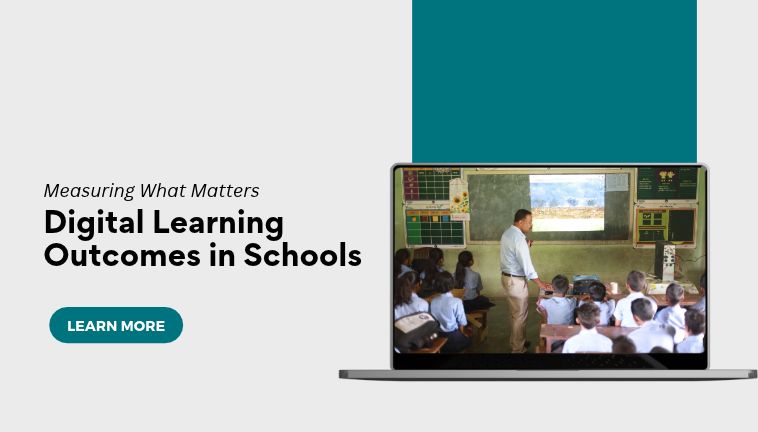
Digital Learning Outcomes in Schools: Measuring What Matters
Digital learning is becoming an important part of everyday classroom teaching. Students use digital content, interactive lessons, online assessments and learning platforms to explore concepts and practise new skills.
But how do schools know if these tools are actually helping students learn?
The number of devices in a classroom or the time students spend on a learning platform does not tell the full story. Schools need to understand whether students are improving their knowledge, developing skills, and applying what they learn.
Measuring digital learning outcomes helps schools move beyond technology usage and focus on learning progress. It gives teachers useful information to improve lessons, support students and make better decisions.
Schoolnet brings together classroom technology, digital content and learning solutions to support technology-enabled education. With the right approach to measurement, schools can make digital learning more purposeful and effective.
Understand What Digital Learning Outcomes Mean
Digital learning outcomes describe what students know, understand or can do after using digital learning resources and tools.
These outcomes should connect with the learning goals of a subject, lesson or grade. They may include academic knowledge, practical skills, problem-solving ability or the ability to use digital tools with confidence.
For example, after a digital lesson on fractions, a student should be able to solve fraction problems and explain the steps. Watching a video or completing a quiz is only part of the learning process.
Schools should define clear outcomes before introducing digital resources.
Some examples include:
- Students can explain a concept in their own words.
- Students can solve problems using the knowledge they have gained.
- Students can complete tasks with greater accuracy.
- Students can apply classroom learning to real-life situations.
- Students can use digital tools to research, create or present their work.
Clear learning outcomes make it easier to decide what to measure and how to measure it.
Identify the Key Indicators of Student Learning
A single test score cannot show every aspect of learning. Schools need a combination of indicators to understand student progress.
The most useful indicators are linked to learning goals and provide information that teachers can act on.
Academic Understanding and Mastery
This measures how well students understand a topic and meet the expected learning objectives.
Schools can track:
- Scores in topic-based assessments.
- Accuracy in answering questions.
- Ability to explain concepts.
- Performance in curriculum-based tasks.
- Mastery of specific skills or competencies.
Learning Progress Over Time
A student's current score is important, but improvement over time can be even more meaningful.
Schools can compare baseline assessment results with later performance to understand how much a student has improved.
For example, a student who moves from 40% to 65% in a mathematics assessment has made progress. The teacher can then check which concepts have improved and which still need attention.
Application and Problem-Solving
Students should be able to use their knowledge beyond the textbook.
Schools can measure this through projects, practical tasks, simulations, presentations and open-ended questions.
These activities help teachers understand whether students can apply concepts rather than simply remember information.
Engagement and Learning Participation
Engagement can provide useful context about learning.
Schools may track:
- Participation in digital activities.
- Completion of assignments.
- Attempts at practice questions.
- Participation in classroom discussions.
- Regular use of learning resources.
However, engagement should not be treated as proof of learning. A student may spend more time on a platform without fully understanding the topic.
Use Digital Assessments to Identify Learning Gaps
Digital assessments can help teachers understand student performance at a more detailed level.
A traditional test may show that a student scored 60%. A well-designed digital assessment can help identify which questions were answered incorrectly, which concepts caused difficulty and what kind of support may be needed.
Schools can use different types of assessments at different stages of learning.
- Diagnostic assessments: Check what students already know before a lesson or unit.
- Formative assessments: Monitor understanding during the learning process.
- Summative assessments: Measure achievement after a lesson, unit or term.
- Adaptive assessments: Adjust questions based on a student's responses, where the platform supports this feature.
The OECD's work on digital assessment explains how digital tools can support assessment and provide useful information about student performance.
For example, if several students answer questions on fractions incorrectly, the teacher can review the concept with the class. If only a few students struggle, they may need individual practice or additional support.
Digital assessments are most useful when their results lead to timely action.
Track Student Progress with the Right Tools
Schools need tools that help teachers collect, organise and understand learning information without adding unnecessary work.
Different tools can support different parts of the measurement process.
Learning Management Systems
A Learning Management System (LMS) can help schools organise digital lessons, assignments, assessments and student records.
Depending on its features, an LMS may provide information on assignment completion, assessment scores, learning activity, and student progress.
Schoolnet's Learning Management System supports digital learning and school-level management through a connected platform.
Digital Assessment and Analytics Platforms
Digital assessment platforms can help teachers conduct quizzes, evaluate responses, and review performance reports.
Analytics can make it easier to identify patterns across students, classes, and subjects.
GENEO offers curriculum-aligned learning resources, assessments and progress insights to support teachers in understanding student learning.
Digital Content and Classroom Tools
Interactive videos, simulations and digital activities can help teachers check understanding during a lesson.
For example, a teacher may use a short quiz after an animated lesson or ask students to complete a virtual experiment and explain their observations.
Schoolnet's Smart Classroom Solutions bring together classroom technology and digital learning resources to support interactive teaching and assessment.
Follow a Simple Framework to Measure Learning Outcomes
Schools do not need to begin with a complex measurement system. A clear and consistent process can help them understand whether digital learning is making a difference.
Step 1: Set Clear Learning Goals
Decide what students should know or be able to do after a lesson or learning activity.
Make the goals specific and measurable. Instead of saying “students will understand science”, define the concept or skill students should demonstrate.
Step 2: Record a Baseline
Conduct a short assessment before introducing the digital learning activity.
This helps teachers understand students' existing knowledge and provides a starting point for measuring improvement.
Step 3: Collect Evidence During Learning
Use quizzes, classroom questions, assignments, projects, and digital assessment reports to check student understanding.
Collect evidence at different stages rather than waiting until the end of the term.
Step 4: Compare Progress with Learning Goals
Review the results to understand whether students are meeting the expected outcomes.
Look at individual progress as well as class-level patterns. A class average may hide students who need additional support.
Step 5: Take Action and Measure Again
Use the findings to improve teaching.
Teachers may revisit a topic, provide additional practice, change their teaching approach or offer individual support.
After the intervention, conduct another assessment to check whether students have improved.
Turn Learning Data into Better Classroom Decisions
Collecting data is only the first step. The real value comes from using it to improve learning.
Teachers should be able to answer three simple questions:
- What have students learned?
- Where are they struggling?
- What should we do next?
For example, if students perform well in multiple-choice questions but struggle to explain their answers, teachers can introduce more discussion-based activities and written explanations.
If students show improvement after additional practice, the school can identify which teaching approaches are working well.
Feedback also plays an important role. The Education Endowment Foundation reports that effective feedback is associated with an average of six additional months of progress. This finding relates to feedback overall, not digital tools alone. It highlights the value of giving students clear guidance on how to improve.
Digital reports can help teachers provide feedback more quickly, but meaningful teacher guidance remains essential.
Best Practices for Measuring Digital Learning Outcomes
A good measurement system should be simple, consistent, and focused on student improvement.
Schools can follow these practices:
- Measure learning, not just usage: Track what students understand and can do, not only logins or screen time.
- Use different assessment methods: Combine quizzes, projects, classroom observation, and practical tasks.
- Set a baseline: Measure students' starting point before comparing progress.
- Track individual growth: Look at each student's improvement, not only class averages.
- Review data regularly: Use assessment results during the learning process.
- Keep learning goals consistent: Ensure digital assessments match the curriculum and expected competencies.
- Support teachers: Train educators to interpret reports and use them in lesson planning.
- Protect student data: Collect only the information needed, follow school policies and ensure student records are handled responsibly.
Schools should also review whether digital tools are accessible to students with different learning needs and levels of digital readiness.
How Schoolnet Supports Digital Learning and Assessment
Digital learning becomes more meaningful when teaching resources, assessments and progress information work together.
Schoolnet supports schools through classroom technology, curriculum-aligned digital content and learning solutions that help teachers deliver lessons and monitor student learning.
Its GENEO learning ecosystem supports lesson planning, practice, assessments and learning insights. These resources can help teachers understand student performance and identify areas where further support may be needed.
Schoolnet's Smart Classroom Solutions help teachers use digital content and interactive tools as part of classroom instruction.
Its Learning Management System supports the organisation and delivery of digital learning across schools.
When these solutions are used with clear learning goals and regular assessment, schools can build a stronger understanding of student progress and make informed decisions to improve teaching and learning.
Conclusion
Digital learning outcomes should be measured by what students learn, not simply by how often they use technology.
Schools need clear learning goals, meaningful assessments and regular progress tracking to understand whether digital learning is helping students improve.
The most effective approach combines data with teacher judgement. Assessment results should guide classroom decisions, help identify learning gaps and provide students with the support they need.
When schools measure learning consistently and act on the findings, digital tools can become more than classroom resources. They can support a more focused, responsive and meaningful learning experience.
Explore Schoolnet's education solutions to learn how digital content, classroom technology and learning platforms can support better learning experiences.
Frequently Asked Questions
How can schools measure digital learning outcomes?
Schools can measure digital learning outcomes through baseline assessments, quizzes, assignments, projects, classroom observations, and progress reports. Comparing results over time helps teachers understand whether students are improving.
What are the key indicators of student learning?
Key indicators include subject knowledge, assessment performance, skill mastery, progress over time, problem-solving ability, and the application of learning. Engagement and participation can also provide useful context.
How can digital assessments identify learning gaps?
Digital assessments can show which questions or concepts students find difficult. Teachers can review individual and class-level results to identify common mistakes and provide targeted practice or remedial support.
How can teachers track student progress?
Teachers can track progress using assessment scores, assignment records, classroom observations, student work, and learning reports from digital platforms. Reviewing these regularly helps teachers identify improvement and areas that need attention.
Are digital learning outcomes the same as digital tool usage?
No. Digital tool usage measures how often students access or use technology. Digital learning outcomes measure what students know, understand, or can do as a result of learning.
How often should schools measure digital learning outcomes?
Schools should measure learning at different stages. A baseline assessment can be conducted before a lesson or unit, formative checks during learning, and a summative assessment at the end. Progress should also be reviewed after additional support is provided.
Recent Posts
- Digital Learning Outcomes in Schools: Measuring What Matters
- Offline Digital Learning Solutions for Schools: Benefits & Features
- Teacher Training Programs: From Rote Learning to Real-World Skills
- Hybrid Learning for Schools: A Practical Guide to Getting Started
- CBSE Teacher Training: A Guide for Schools


