
Blogs
Digital Content in Education: Benefits for Schools
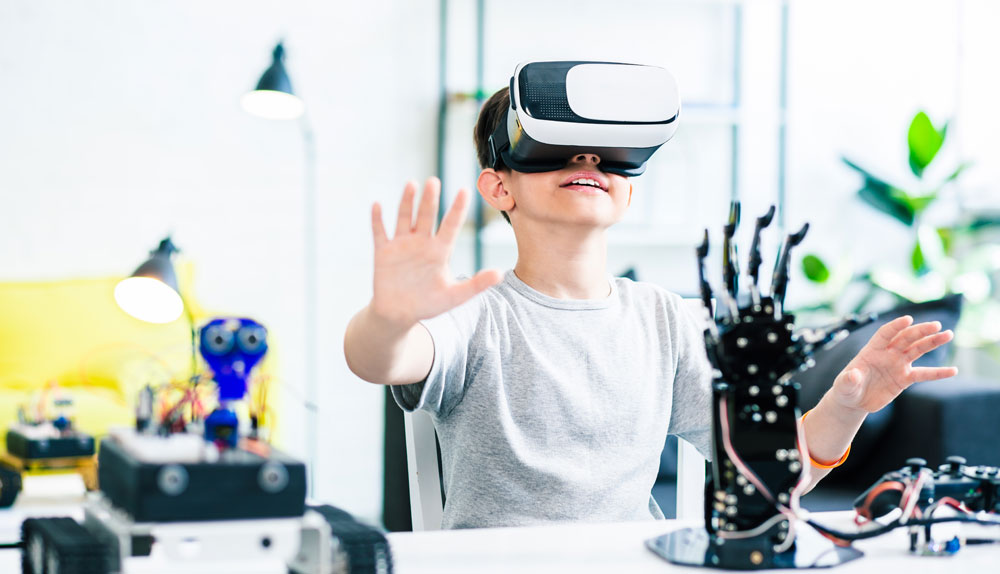
Digital Content in Education: Benefits, Access and Learning Opportunities
Education does not stop when a classroom lesson ends. Students often need additional explanations, revision materials, and opportunities to practice what they have learned. Digital educational content can help provide these resources and make learning more accessible beyond the traditional classroom.
In India, digital content has become an important part of the discussion around educational access. From videos and interactive lessons to digital textbooks and practice activities, technology offers schools and students additional ways to engage with academic subjects.
However, the value of digital content depends on more than its availability. It also needs to be relevant to the curriculum, accessible to learners, and useful for teachers who incorporate it into everyday instruction.
What Is Digital Content in Education?
Digital content in education refers to learning materials created or delivered in a digital format. Students and teachers can access these resources through computers, tablets, smartphones, interactive displays, and other compatible devices.
Common examples include:
- Digital textbooks and chapter-wise learning materials
- Educational videos and animations
- Interactive lessons and demonstrations
- Online quizzes and practice exercises
- Digital worksheets and revision resources
- Recorded lessons and supplementary study materials
These resources can support classroom teaching, independent revision, and additional learning outside school hours.
For example, a teacher explaining a science concept may use an animation to demonstrate a process that is difficult to illustrate on a blackboard. Students can then revisit the material while revising the lesson.
Digital content is most effective when it supports a clear learning objective rather than simply adding more screen time.
Why Is Digital Content Important for Schools?
Every classroom has students with different learning needs. Some understand a concept during the first explanation, while others need additional examples, revision, or practice.
Digital educational content can give teachers more options for addressing these differences.
1. Additional Learning Opportunities
Classroom time is limited, and teachers must cover multiple topics within an academic year. Digital resources can provide students with additional opportunities to review lessons after class.
A student who needs to revisit a mathematics concept, for instance, may benefit from a recorded explanation followed by practice questions.
These resources can support revision without replacing the guidance and feedback provided by teachers.
2. Support for Different Learning Needs
Students do not always understand concepts in the same way. Some benefit from written explanations, while others find visual demonstrations or worked examples easier to follow.
Using different content formats can help teachers present the same concept in more than one way.
Schools should select materials that are appropriate for the students' age, language, grade level, and curriculum. Digital resources should also be designed to accommodate learners with different accessibility requirements wherever possible.
3. Learning Beyond the Classroom
Educational content can extend learning beyond school hours. Depending on device availability and connectivity, students may use digital resources at home or in other learning environments.
This can be especially useful for revision, additional practice, and revisiting topics covered during classroom instruction.
However, access is not equal for every learner. Device availability, internet connectivity, electricity, language, and digital literacy can affect how easily students use online resources.
Schools should consider these practical barriers when choosing digital learning materials and explore suitable offline or low-bandwidth alternatives where available.
4. More Resources for Teachers
Teachers need to explain concepts, prepare lessons, assess understanding, and support students who are struggling.
Well-organized digital content can provide additional examples, demonstrations, and practice activities that teachers can incorporate into their lessons.
The key is to select resources that match the learning objectives. Teachers should be able to decide when digital content is useful and when a discussion, practical activity, or direct explanation is more appropriate.
Digital Content and Educational Access in India
Access to quality educational resources remains an important consideration in India's diverse school system. Schools differ in their infrastructure, teacher availability, language requirements, and access to technology.
For students in areas with limited educational resources, supplementary digital content can create additional opportunities to explore academic subjects and revise lessons. However, technology alone cannot resolve every challenge associated with educational access.
Students also need suitable devices, reliable access to learning materials, guidance from teachers, and content that reflects their curriculum and language needs.
This is why digital education initiatives need to consider both the availability of resources and the conditions required to use them effectively.
The Role of Government Digital Education Initiatives
Government initiatives have also contributed to the development of digital learning opportunities in India.
PM eVIDYA was introduced as part of the education response during the COVID-19 pandemic. The initiative brought together multiple digital and broadcast-based learning channels to support students who could not attend school in the usual way.
At the time this article was originally published in March 2022, the One Class, One TV Channel programme was being used to provide supplementary educational content for school students through television.
These initiatives highlighted the importance of providing learning materials through different delivery methods. Online platforms can be useful for students with internet access, while television and other offline formats can help reach learners who face connectivity limitations.
Their wider lesson remains relevant: educational content needs to reach students through formats they can realistically access and use.
How Schools Can Use Digital Content Effectively
Providing digital materials is only one part of the process. Schools need a practical approach to integrating them into teaching and learning.
Step 1: Match Content with the Curriculum
Teachers should choose materials that correspond to the subjects, chapters, and learning objectives being taught.
Curriculum alignment helps students connect supplementary resources with classroom lessons instead of treating them as unrelated information.
Step 2: Choose Age-Appropriate and Reliable Resources
Content should be accurate, understandable, and suitable for the intended grade level.
Teachers and school leaders should review the source, language, examples, and educational purpose of the material before recommending it to students.
Step 3: Combine Digital Content with Classroom Teaching
Digital resources can introduce a topic, illustrate a difficult concept, or provide additional practice after a lesson.
Teachers should connect these activities with classroom discussions, questions, practical work, and feedback. The objective is to strengthen understanding rather than replace meaningful interaction with screens.
Schools exploring technology-enabled teaching can also learn from different approaches to digital learning solutions for schools, particularly the role of digital resources in supporting everyday classroom instruction.
Step 4: Make Resources Accessible
Schools should consider whether students have the devices, connectivity, language support, and guidance needed to use the materials.
Where internet access is unreliable, downloadable resources, offline materials, or suitable broadcast content may offer alternatives.
Accessibility should be part of the selection process rather than an afterthought.
Step 5: Check Whether Students Understand
Accessing a video or completing a digital lesson does not necessarily mean that a student has understood the topic.
Teachers can use questions, assignments, discussions, and practice exercises to check understanding. They can then provide additional explanations or recommend further revision where needed.
Step 6: Review and Improve
Schools should periodically review which resources teachers use, how students respond, and whether the materials support the intended learning objectives.
Feedback from teachers and students can help schools improve content selection and identify areas where additional support is required.
What Should Schools Look for in Digital Educational Content?
Before selecting digital content, schools should evaluate a few important factors.
- Curriculum relevance: Does the material align with the subjects and grade levels taught in the school?
- Accuracy: Is the information reliable, current where necessary, and suitable for educational use?
- Clarity: Can students understand the explanations, examples, and instructions?
- Engagement: Does the content encourage students to think, practice, or apply what they have learned?
- Accessibility: Can students access the materials with the devices, connectivity, and language support available to them?
- Teacher support: Can teachers incorporate the resources into lesson plans and use them to address learning difficulties?
- Assessment opportunities: Are there suitable ways to check whether students have understood the content?
These considerations help schools choose resources based on educational value rather than appearance or the number of features available.
The Future of Digital Content in Education
Digital content will continue to evolve as schools explore new ways to deliver lessons, support revision, and respond to different learning needs.
Interactive resources, multimedia explanations, digital assessments, and AI-enabled tools may offer additional ways to support teaching. Their usefulness, however, depends on how well they fit the curriculum and how responsibly they are implemented.
Schools will also need to pay attention to accessibility, student privacy, content quality, and the role of teachers in guiding learning.
The future of digital education should not be measured simply by how many devices or platforms a school adopts. It should be evaluated by whether students can access meaningful learning resources and whether those resources help teachers support student understanding.
Conclusion
Digital content can expand the resources available to students and teachers. It can support revision, provide alternative explanations, and create additional opportunities for learning beyond classroom hours.
For these benefits to reach more students, schools need to consider curriculum alignment, accessibility, content quality, teacher guidance, and the availability of suitable technology.
Digital resources work best when they complement classroom instruction and address genuine learning needs. By focusing on how content is selected, delivered, and used, schools can make digital learning a more practical and meaningful part of education.
Frequently Asked Questions
What is digital content in education?
Digital content in education includes electronic learning materials such as digital textbooks, educational videos, animations, interactive lessons, online quizzes, and practice exercises used to support teaching and learning.
What are the benefits of digital content for students?
Digital content can provide additional explanations, support revision, offer different ways to understand concepts, and create opportunities for practice beyond classroom lessons. Its effectiveness depends on content quality, accessibility, and how it is used.
How does digital content help teachers?
Teachers can use digital resources to illustrate concepts, introduce examples, prepare lessons, and provide supplementary practice. These materials can support instruction while teachers continue to guide discussions and assess student understanding.
Can digital content help students in rural areas?
Digital content can provide additional educational resources to students in rural areas. However, its usefulness depends on access to devices, electricity, connectivity, suitable languages, and guidance. Offline resources and broadcast-based learning may help address some access limitations.
What is the difference between digital content and online learning?
Digital content refers to educational materials in digital formats, including videos, digital textbooks, and interactive activities. Online learning is a broader approach in which teaching and learning take place through internet-connected platforms. Digital content can also be used offline.
How can schools choose the right digital educational content?
Schools should evaluate curriculum alignment, accuracy, age suitability, accessibility, language, engagement, and opportunities to assess student understanding. Teachers should review the resources and select materials that support specific learning objectives.
Does digital content replace classroom teaching?
No. Digital content can complement classroom teaching by providing additional explanations and practice. Teachers remain essential for guiding learning, answering questions, providing feedback, and understanding individual student needs.


